Beyond the Big Cloud: A Practical Look at Platform Choices
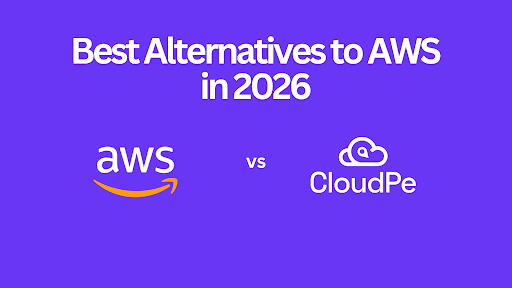
When teams start evaluating cloud platforms, the conversation often turns to aws alternatives and what they really offer in day-to-day operations. The reasons vary—budget control, regional availability, data residency, or simply the need for a different development workflow. Rather than chasing trends, many engineers are looking for clear trade-offs: performance, pricing transparency, tooling, and long-term support.
One of the biggest factors is cost predictability. Some providers charge for a wide range of micro-usage metrics that can be hard to forecast, while others keep pricing simpler with flat rates or bundled services. For small teams and startups, this difference can decide whether a project stays within budget. Larger organizations, on the other hand, often prioritize enterprise support and compliance certifications, even if the price is higher.
Performance and latency also play a major role. A platform with data centers closer to your users can reduce response times and improve reliability. This is especially important for applications like streaming, gaming, or financial services where milliseconds matter. Regional providers sometimes outperform global giants in specific markets because their infrastructure is tuned for local traffic patterns.
Developer experience is another area where platforms differ. Some ecosystems offer tightly integrated tools, dashboards, and automation that speed up deployment. Others focus on flexibility, letting teams plug in their preferred CI/CD pipelines, monitoring tools, and frameworks. The “best” choice often depends on how mature your DevOps practices are and how much customization your team needs.
Open-source friendliness is increasingly part of the discussion. Providers that support Kubernetes, Terraform, and other open tools make it easier to move workloads later if requirements change. This reduces vendor lock-in and gives teams more control over their architecture. For companies planning rapid growth or international expansion, this flexibility can be more valuable than short-term savings.
Security and compliance cannot be an afterthought. Different platforms meet different regulatory standards, and not all are equal when it comes to audits, encryption options, or access controls. Industries like healthcare, finance, and government need to check these details carefully before committing.
In the end, comparing aws alternatives is less about finding a perfect replacement and more about matching a platform to your actual needs. Some teams will benefit from simpler pricing, others from regional strength, and others from open tooling. Taking time to test workloads, review support quality, and analyze long-term costs will lead to better decisions when weighing aws alternatives.
https://www.cloudpe.com/the-be....st-aws-alternatives-